 Apple Podcasts
 Spotify
 YouTube
About this episode
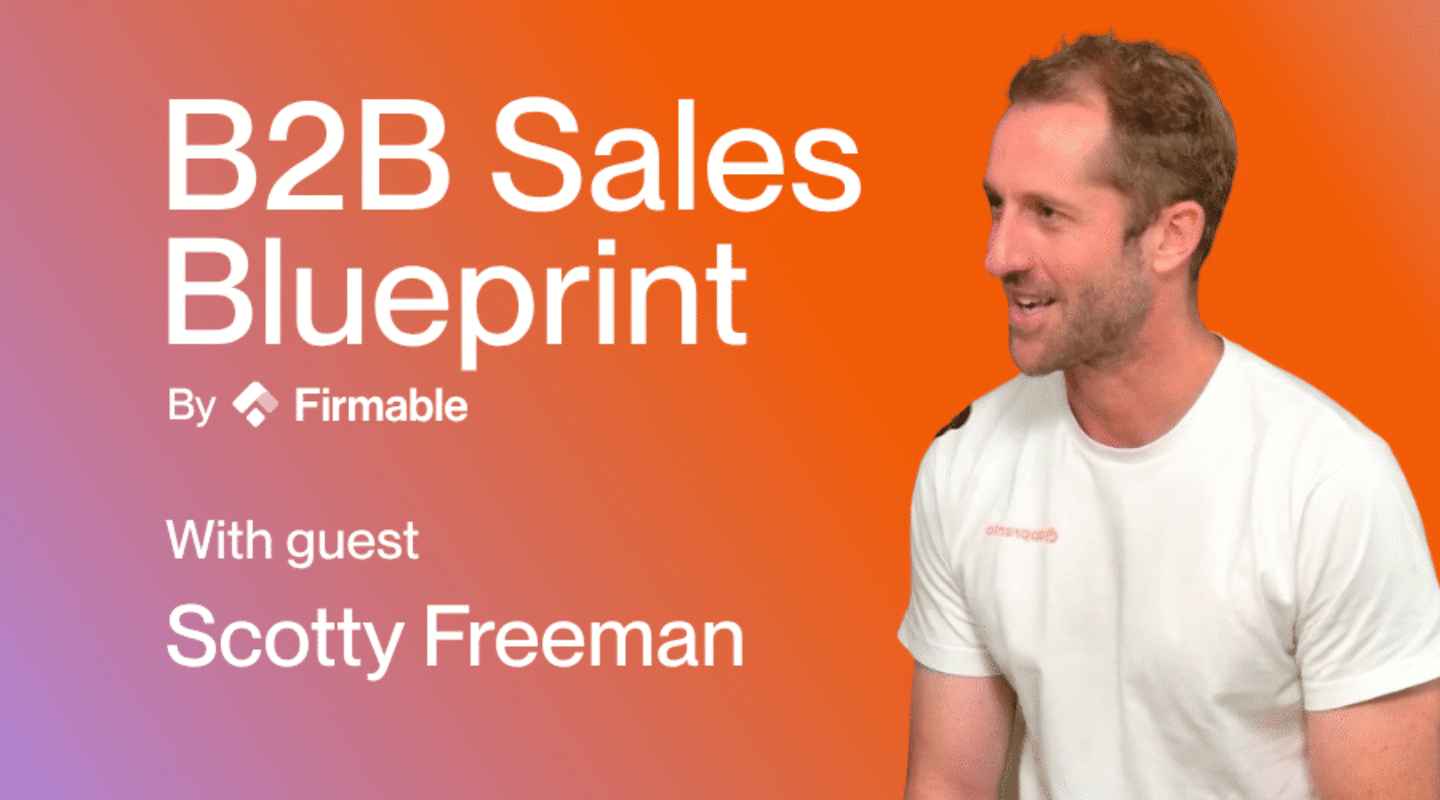
Scotty Freeman didn’t plan to go into sales. Like the 78% of salespeople his own research found never did, he stumbled into recruitment straight out of university and found the best possible training ground – a role where the product you’re selling is people. That foundation, combined with two decades in sales, learning how to hire sales talent, and general management, is what Apprento is built on.
Apprento started with a simple observation: New Zealand’s tech sector was growing into global markets without the sales talent to match. The solution Scotty landed on was borrowed from law and accounting: take career starters and switchers, give them a structured pathway, train them properly, and place them where their raw capabilities actually fit. That model has since expanded to cover hiring and development at all levels.
In this conversation with Paul Perrett, Scotty unpacks the full hiring lifecycle: what founders get wrong before they even write a job description, how to assess for resilience and warmth in people with no sales history, why experienced reps are the hardest hire of all, and what a structured onboarding program actually looks like in practice. He also covers how AI is reshaping the sales leader’s role, why the SDR model isn’t dead, and how curiosity – not tech-savviness – is becoming the most important trait to hire for.
Key topics covered
[02:10] Why 78% of salespeople never planned to be in sales – and what that means for how you assess them
[05:42] How Apprento was built to fix a structural gap in New Zealand’s sales talent pipeline
[09:53] What founders get wrong before they write a sales job description
[11:18] What to look for in SDR candidates who have no sales experience: warmth, resilience, and signals hidden in a CV
[15:16] How Apprento’s assessment sessions work – and why a Guinness World Record answer reveals more than most interviews
[17:19] The FiveIze framework: intent, impact, relevance, and why startup vs. enterprise experience changes everything
[22:57] Why reference checks are where most hiring managers get lazy, and how to do them properly
[27:33] What good sales onboarding actually looks like: bite-sized modules, virtual cohorts, and AI practice tools
[32:52] How AI is reshaping what sales leaders can do – and why curiosity is now the trait to hire for
[38:18] Will AI kill the SDR? Scotty’s answer – and the conditions under which the model still works
Notable quotes on how to hire sales talent
“We’re too vague in sales – when it comes to questioning clients, but also when we’re hiring.”
“A lot of people fall over when they choose salespeople because they think it’s the person who can talk the most. Actually, quite often, they are not the person.”
“Anyone phones me, pretty much guaranteed they’re going to get to at least the last part of the assessment process.”
“Activity breeds reward, activity breeds reward. You’ve got to do enough stuff to the right people and have the right quality about what you do.”
FAQs about how to hire sales talent
FiveIze is a hiring assessment framework developed by Apprento to evaluate sales candidates at all experience levels. Each “i” examines a distinct dimension of fit: intent (is this role the right next step for this person’s career?), impact (what results have they actually driven and how?), and sales relevance (does their sales environment match yours in terms of cycle length, deal complexity, and whether they’ve had to generate their own pipeline). The framework is designed to force specificity at every stage, pushing hiring managers away from vague instincts toward structured evidence of hire to hire sales talent.
According to Scotty Freeman, two things matter most: warmth (a naturally engaging persona that can be shaped with feedback) and resilience (the ability to absorb rejection and keep going). Neither can be taught quickly, so you need to read for them before hiring. Resilience signals on a CV include part-time roles in high-rejection environments, endurance sports, side hustles, or evidence of working through a significant personal challenge. Assessment sessions – where candidates are put under pressure in group scenarios with a business case pitch – can reveal how people perform when they don’t know what’s coming.
Scotty Freeman recommends a sequenced, bite-sized approach rather than a product knowledge dump followed by a sink-or-swim ramp. Start with product knowledge, then introduce the sales process in component parts: situation and problem questions first, then impact and compelling events, then deal management. Use online modules at the rep’s own pace, virtual cohorts every two weeks for deep-dive sessions, and AI-powered practice tools so reps can rehearse questioning and objection handling without depending on a manager’s calendar. The first three months should be treated as a structured learning and practice phase, not just a ramp period.
Who this is for
This episode is for founders making their first or second sales hire, sales leaders who know their hiring process is too instinct-driven, and anyone building or rebuilding a sales team. If you’ve ever been burned by a rep who interviewed brilliantly but couldn’t execute, or struggled to find anyone with the right experience in a shallow talent pool, Scotty’s frameworks give you a more reliable way to assess and decide.
Subscribe to the B2B Sales Blueprint wherever you get your podcasts for conversations with sales operators and revenue leaders.
Explore Firmable to build the target account lists and AI-native buying signals your sales hires need to hit the ground running.